
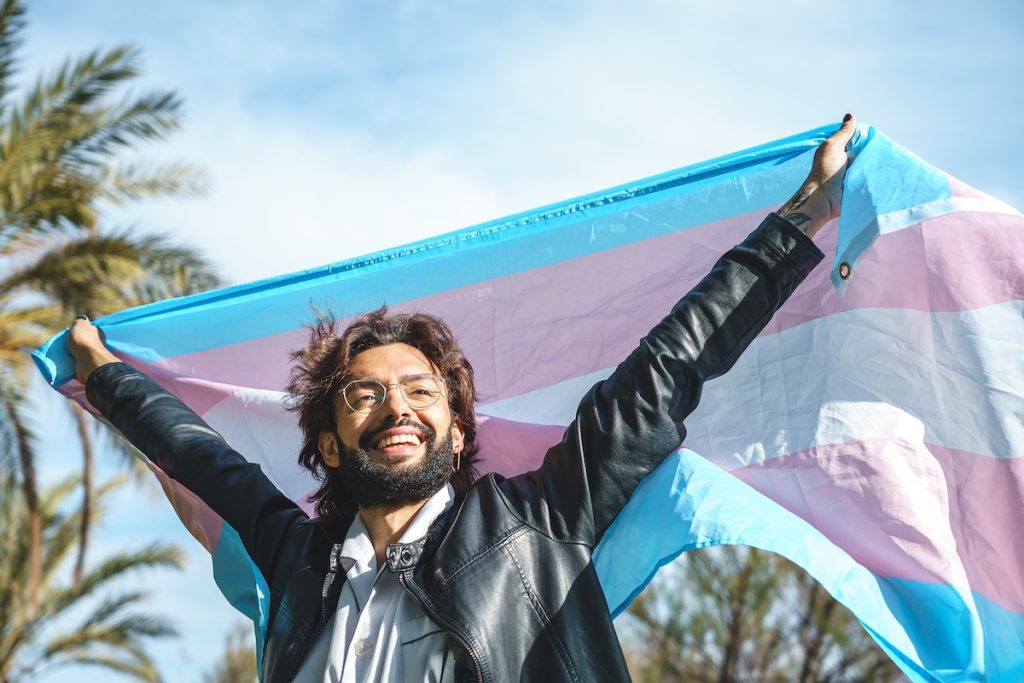
The latest Trans Rights Index & Map 2026 published by TGEU delivers a message that extends far beyond transgender rights.
While the report focuses on the legal and political realities faced by trans communities across Europe and Central Asia, one conclusion stands out for anyone working in diversity, inclusion and tourism: many of the advances achieved in recent years have not been driven by governments, but by civil society organizations, advocacy groups and the courts.
This is more than a human rights story. It is a lesson in how social progress often happens.
Progress Does Not Always Start with Politics
Public debate often assumes that social change begins with legislation. The reality is frequently more complex.
Across Europe, many of the protections and rights enjoyed today by LGBTQ+ people were first championed by activists, community organizations, legal advocates and grassroots movements long before they were formally recognized by governments.
The Trans Rights Index & Map 2026 highlights this dynamic once again. In many countries, progress has continued despite political resistance, institutional inertia or shifting public narratives. Courts have played a critical role in defending fundamental rights, while advocacy organizations have remained at the forefront of awareness, education and support.
For those working in tourism, this should sound familiar. Many of the industry’s most significant advances in LGBTQ+ inclusion did not begin as government policies. They started because businesses, destinations, associations and community leaders chose to act.
The Growing Importance of Associations and Industry Networks
Across Europe, professional associations, advocacy groups and tourism networks have become increasingly important in promoting inclusive practices.
These organizations provide education, training, standards, certification programs, research and platforms for dialogue. They help businesses understand evolving traveler expectations and create environments where diversity is not merely tolerated but actively welcomed.
They also serve another important function: continuity. Political priorities can change. Governments can change. Public debates can become polarized. Yet long-term commitments to inclusion are often maintained by organizations whose mission extends beyond electoral cycles.
This continuity is particularly important for tourism, where trust and reputation are built over years rather than months.
Inclusion Is Not a Trend
One of the most important messages emerging from recent human rights reports across Europe is that inclusion should not be viewed as a temporary trend or a marketing opportunity.
Inclusive tourism requires long-term commitment.
Businesses that genuinely invest in diversity, equity and inclusion create stronger relationships with travelers, employees and local communities. They become more resilient, more attractive to international audiences and better prepared for a rapidly changing global market.
This is especially relevant at a time when social debates around gender identity, diversity and human rights are becoming increasingly polarized.
The tourism industry has an opportunity to demonstrate leadership by continuing to promote safe, respectful and welcoming environments for everyone.
Looking Ahead
The Trans Rights Index & Map 2026 reminds us that progress is rarely automatic. Rights advance because individuals, organizations and communities choose to defend them. They advance because people continue to advocate, educate and build bridges even when political consensus is difficult to achieve.
For the tourism industry, this lesson is particularly relevant. Creating a more inclusive travel landscape is not solely the responsibility of governments. Destinations, tourism boards, hospitality brands, travel associations and industry leaders all play a role in shaping the experiences travelers encounter.
As Europe continues to navigate social and political change, the organizations that remain committed to inclusion will not only contribute to a fairer society. They will help build a stronger, more resilient and more sustainable tourism industry for the future.